
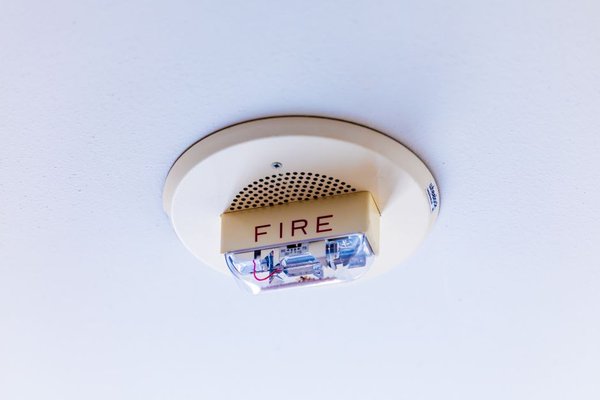
A smoke alarm that chirps, fails a test, shows damage, or has reached the end of its service life should not be ignored. Most residential smoke alarms should be replaced after about 10 years from the manufacture date because their sensing components can become less reliable with age. Before starting a smoke detector replacement, check the label on the back, identify how the alarm is powered, and buy a replacement suited to the same location and alarm system.
Identify the type of smoke alarm you have
Smoke alarms are commonly battery-powered, hardwired into the home’s electrical system, or fitted with a sealed long-life battery. A hardwired smoke alarm usually has a wiring harness behind the unit and often includes a backup battery. Interconnected alarms may also communicate with other units so that when one sounds, the others sound too.
Do not assume a new alarm will fit an old bracket or wiring plug just because the units look similar. Models from different manufacturers, and even newer models from the same manufacturer, may use different mounting plates or connectors. Check the replacement alarm’s instructions and compatibility information before removing anything permanently.
If the existing alarm is hardwired, electrical safety comes first. The U.S. Fire Administration advises that hardwired smoke alarms should be installed by qualified electricians. If replacement requires changing wiring, opening electrical connections, or modifying an interconnect circuit, use a qualified electrician rather than treating it as a simple plug-and-play job.
Check whether the whole alarm needs replacing
A low-battery chirp does not always mean the alarm has failed. On models with replaceable batteries, a fresh battery may solve the problem. Replace the entire unit if it is about 10 years old, has a damaged case, repeatedly malfunctions after basic maintenance, or fails to sound when tested according to the manufacturer’s instructions.
Find the manufacture date on the back or side of the alarm. The replacement interval is based on that date, not the date you remember installing it. If the date is missing or unreadable and the unit’s age is uncertain, replacement is generally the safer choice.
How to replace a battery-powered smoke detector
For a typical battery-powered alarm, place a stable ladder on a level surface. Twist or release the old alarm from its mounting plate, following the direction marked on the unit. Remove the battery if it is replaceable, then inspect the ceiling or wall area for damage.
If the new alarm uses a different mounting plate, remove the old plate and install the new one using the supplied hardware and the manufacturer’s placement instructions. Insert the specified battery if required, or activate the sealed battery using the pull tab or activation switch provided. Attach the new unit firmly to its base.
A practical habit is to record the installation month and year in a home-maintenance log. The manufacture date still determines the alarm’s service-life limit, but noting the installation makes future checks easier. While the ladder is out, confirm that other alarms in the home are present, secure, and not obviously overdue for replacement.
How to handle a hardwired smoke alarm
If you have a hardwired smoke alarm, switch off the correct circuit breaker before touching the unit. Never rely only on a wall switch. Remove the alarm from its bracket carefully and determine whether the connection is a manufacturer-approved plug that can be disconnected without exposing or altering household wiring.
If the new alarm is specifically compatible with the existing connector and local rules allow the work, follow the manufacturer’s instructions exactly. If the manufacturer provides an approved adapter for that model, use only that adapter. Do not cut, splice, or rearrange wiring simply to make a new alarm fit.
Where wiring changes are needed, stop and call a qualified electrician. This matters even more in interconnected systems because an incorrect connection can affect several alarms. After installation, confirm that the interconnect feature works as intended.
Restore power and test the smoke detector correctly
Once the new alarm is securely installed, restore electrical power if applicable. Then use the alarm’s test button according to the manufacturer’s instructions. Hold or press it for the specified time until the alarm sounds. If the unit is interconnected, check whether the other connected alarms also activate as expected.
Do not consider installation complete just because a power light appears. The test button is the practical way to confirm that the alarm’s electronics and sounder respond. U.S. fire-safety guidance recommends testing smoke alarms at least monthly, including alarms with sealed 10-year batteries.
If the new alarm does not sound, recheck its battery activation, mounting, connector, and power supply without bypassing any safety feature. If a hardwired unit still fails, turn the circuit off again and arrange professional help.
Common mistakes to avoid
Do not paint over an alarm, cover its vents, remove its battery because of cooking nuisance alarms, or leave a disconnected alarm in place. If cooking frequently triggers an alarm, use the hush feature if provided and review the manufacturer’s placement guidance rather than disabling it. Avoid mixing incompatible interconnected alarms unless the manufacturer specifically approves the combination.
After you change a smoke alarm, review your home fire escape plan as well. A working alarm provides warning, but everyone in the household should still know how to get outside quickly and where to meet.
Frequently asked questions
How often should a smoke detector be replaced?
For typical residential smoke alarms, replacement is generally recommended 10 years from the manufacture date. Always check the label and manufacturer’s instructions because specific products, including combination alarms, can have different service-life requirements.
Can I replace a hardwired smoke alarm myself?
If the job involves household wiring, use a qualified electrician. Even when a compatible plug-in replacement appears straightforward, follow the manufacturer’s instructions and local electrical requirements. Never modify wiring simply to fit a new alarm.
How often should I test a smoke detector?
Test smoke alarms at least once a month using the test button. Replace a removable backup battery according to the manufacturer’s instructions and whenever the alarm signals a low battery.
Why is my new smoke alarm chirping?
A new alarm may chirp because the battery is not fully seated, a sealed battery has not been activated, the unit is not locked correctly onto its base, or the alarm is signaling another fault. Check the manual for the chirp pattern before assuming the detector is defective.
Finish with a full safety check
Replacing an aging or faulty smoke detector is only useful if the new alarm is properly installed, powered, and tested. Confirm the correct alarm type, respect the limits of DIY electrical work, restore power safely, and test the unit before putting the ladder away. Then keep monthly testing on your regular home-maintenance schedule so the alarm is ready when it matters most.