
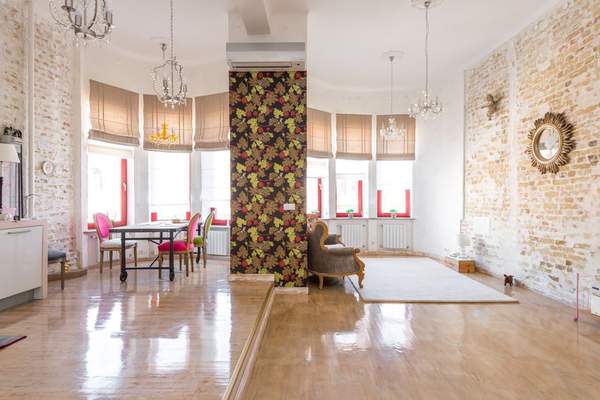
Matching furniture used to be the safest route to a “finished” room. In 2026, the more interesting direction is almost the opposite: spaces that feel assembled gradually, with pieces from different eras, materials and sources. Vintage furniture brings age, patina and history; modern furniture adds clarity, comfort and cleaner proportions. The goal is not to make every piece agree. It is to make the contrasts look chosen rather than accidental.
That shift is one reason the vintage modern mix has become so appealing. A one-off sideboard, old dining chair or inherited table can give a room an identity that a complete showroom set rarely achieves. If you are wondering how to mix vintage and modern furniture, the key is to create a few visual connections between old and new so the room reads as one story.
Start With One Era as the Visual Anchor
A room becomes confusing when every item competes equally for attention. Instead of splitting the space into exactly half vintage and half modern, choose one as the base. A modern sofa, simple rug and clean-lined shelving can form a calm foundation, while a vintage coffee table, lamp and artwork provide character. In a more traditional room, reverse the formula: keep the antique case furniture and introduce streamlined seating or contemporary lighting.
Repeat Something Across Different Eras
Cohesion usually comes from repetition, not matching. Look for a detail that can appear in both vintage and modern pieces: warm walnut tones, black metal, rounded shapes, cane, brass, linen or a particular colour family. A 1960s teak cabinet beside a new oak table can work if both woods share a warm undertone. An ornate antique mirror can sit above a simple console if its finish is repeated elsewhere.
Shape can do the same job. If a vintage armchair has a curved back, echo that curve with a modern round side table or globe pendant. Small relationships help unrelated pieces feel connected.
Let the Vintage Piece Be Clearly Vintage
One common mistake is trying to disguise age. Sanding every old piece until it looks new, painting all dark wood the same colour or replacing distinctive hardware can remove the quality that made the furniture worth keeping. Patina, minor wear and old joinery often provide the visual depth people want from collected home decor.
That does not mean accepting damage or poor function. Wobbly joints can be repaired, upholstery can be renewed and finishes can be cleaned or sensitively restored. Preserve character while making the piece useful in daily life.
Use Contrast in Silhouette, Not Chaos in Colour
Mixing styles is easier when you separate two decisions: form and palette. You can be adventurous with furniture shapes while keeping the colour scheme controlled. Pair a boxy modern sofa with a carved vintage side table and a curving mid-century chair, then unify them through cream upholstery, warm wood and muted green accents.
Balance Visual Weight Around the Room
Vintage furniture, especially dark wood cabinets, pedestal tables and carved chests, can look visually heavy beside low-profile modern pieces. Rather than grouping all the heavy items on one wall, distribute them. A substantial antique cabinet might be balanced by a modern sofa opposite, with lighter chairs or open-legged tables between them.
Pay attention to height too. If one antique armoire towers above low furniture, add a tall floor lamp, artwork or plant elsewhere. The room does not need symmetry, but it should feel stable.
A Practical Living Room Example
Imagine a living room with a new neutral sofa, plain wool rug and simple media unit. It is comfortable but generic. Instead of replacing everything, add three older elements: a vintage timber coffee table, a ceramic second-hand lamp and a framed landscape in an aged wood frame. Then repeat the coffee table’s warm tone in a small modern side table or picture frame.
The modern base remains obvious, but the vintage pieces create variation in age, texture and story. Because the wood tone repeats, the mix feels deliberate. A useful shopping rule is to identify at least one existing feature a vintage piece can visually “talk to” before bringing it home.
Interweave Old and New
Old and new should be mixed rather than separated into zones. A modern dining table with vintage chairs usually feels more natural than a fully modern dining area beside an entirely antique corner. A contemporary bed can work with vintage bedside tables, while an antique desk can be paired with a modern task chair.
Mixing at the furniture-group level makes the contrast purposeful and prevents the home from looking as though two decorating schemes were placed next to each other.
Buy for Provenance, Usefulness and Proportion
Design coverage in 2026 increasingly favours interiors that feel personal and built over time rather than bought as a matching package. Vintage shopping fits that direction, but “old” should not be the only criterion. Ask where a piece came from if the seller knows, inspect how it is made, and check whether its dimensions suit your room.
A distinctive piece can become a long-term anchor only if it works in the space. Measure doorways, seat heights, table clearances and wall widths before buying. A beautiful cabinet that blocks circulation will still feel wrong.
Know When to Stop
A collected room still needs breathing space. If every surface holds an object and every piece has a strong silhouette, the eye has nowhere to rest. Keep some modern elements simple and let a few vintage pieces do the expressive work. Negative space is what allows contrast to look sophisticated rather than busy.
Frequently Asked Questions
Can you mix antique furniture with very modern furniture?
Yes. Strong contrast can work beautifully when you repeat colour, material, shape or finish elsewhere in the room. A traditional chest can look striking beside a minimal sofa if the palette is controlled and the proportions are balanced.
How many vintage pieces should be in one room?
There is no fixed ratio. Start with one substantial vintage item or two to three smaller pieces, then assess the room. The goal is a balanced composition, not a percentage.
Should all wood furniture match?
No. Mixed woods often make a room feel richer. Keep the undertones compatible, repeat at least one wood tone, and avoid introducing too many unrelated finishes in a small space.
How do you make mixed furniture styles look intentional?
Repeat colours, finishes or shapes, distribute visual weight evenly, and mix old and new within the same furniture group instead of separating them into different parts of the room.
Make the Mix Feel Personal, Not Perfect
The best rooms that combine vintage and modern furniture are not perfectly coordinated. They are edited. A modern base gives the space clarity; older pieces add texture, memory and individuality. Repeat a few visual cues, respect proportion and leave space around distinctive items, and furniture from different decades can strengthen one another rather than clash. The result feels less like a furniture set and more like a home that has developed a point of view over time.