
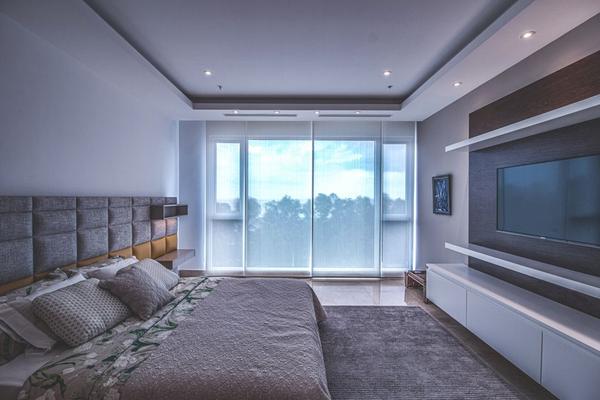
A rug that creeps across the floor, curls at the corners, or bunches underfoot is more than an annoyance. It can create a trip hazard and wear the rug unevenly. The best fix depends on the floor underneath and the rug itself. A solution that works on tile may be a poor choice for finished hardwood, while a pad made for hard flooring may not stop a rug from shifting over carpet.
If you want to know how to keep a rug from sliding without damaging the surface below, start with the least aggressive option and match the product to your flooring. These seven fixes cover common situations.
Start by Cleaning and Checking the Rug
Vacuum the rug and clean the floor beneath it according to the flooring manufacturer’s instructions. Dust, pet hair, and fine grit can reduce grip. Also check whether the rug backing is smooth, stiff, or rubberized. Some flooring manufacturers warn that certain rubber- or foam-backed materials can discolor finishes, so do not assume every “non-slip” backing is safe for every floor.
7 Ways to Keep a Rug from Sliding
1. Use a Properly Sized Non-Slip Rug Pad
For most rugs on hard floors, a rug pad is the best first choice. Among common rug pad types, thin non-slip pads prioritize grip, while felt or combination pads add cushioning as well as stability. The pad should normally be slightly smaller than the rug so its edges stay hidden.
On hardwood, engineered wood, luxury vinyl, or other finished surfaces, choose a pad specifically described as non-staining and compatible with that floor. Manufacturer guidance matters more than a generic material claim.
2. Add a Non-Slip Rug Gripper to Small Rugs
A non slip rug gripper works well for small mats, bedside rugs, and short runners. Gripper corners or strips attach to the rug underside and add friction where movement starts.
For example, if a small kitchen rug stays flat in the middle but rotates whenever someone turns toward the sink, corner grippers may solve the problem without a full pad. Check the product label for floor compatibility and replace worn grippers instead of layering new adhesive over old residue.
3. Use Rug Tape Carefully on Hardwood
Rug tape gives stronger hold, but it deserves more caution than a removable pad. If you are considering rug tape for hardwood, use only a product specifically labeled for finished wood floors and compatible with your finish. Test it in an inconspicuous spot and follow removal instructions exactly.
Avoid ordinary household double-sided tape. Adhesives can leave residue, affect finishes, or become harder to remove after long exposure to pressure and warmth. Tape is better for a stubborn edge or runner than as the default solution for every rug.
4. Use a Low-Profile Pad on Tile or Stone
Smooth ceramic, porcelain, and polished stone can make lightweight rugs slide quickly. A thin non-slip pad can increase surface contact without noticeably raising the rug, which is useful in kitchens, entryways, and hallways.
Make sure the floor and pad are dry before installation. In moisture-prone areas, lift the rug periodically so the surface can be cleaned and dried. For natural stone, check the stone or sealer manufacturer’s guidance before using adhesive-backed products.
5. Choose a Rug-to-Carpet Pad for Layered Rugs
Keeping an area rug still on wall-to-wall carpet is a different problem. The rug often “walks” because the carpet pile compresses in the direction of foot traffic. Use a pad or gripper specifically made for rug-on-carpet applications rather than assuming a hard-floor pad will work the same way.
Low-profile options are usually easier to manage because excessive softness can encourage rippling. Furniture can add stability, but the rug should still lie flat without relying on furniture legs to stretch out wrinkles.
6. Anchor a Large Rug with Furniture
Large living room rugs may need less adhesive help because their size and furniture placement provide natural resistance. Position the front legs of a sofa and accent chairs on the rug when the layout allows. This adds weight across a broad area instead of concentrating pressure at one taped corner.
Furniture anchoring works best when the rug is already flat and correctly sized. It is not a substitute for fixing a curled edge or a rug that slides freely underfoot. Related topics worth linking internally include choosing the right rug size and how to place a rug in a living room.
7. Fix Curling Corners Before They Cause Movement
A rug can seem to slide when the real problem begins with curled corners. Once a corner catches a shoe, the rug shifts and gradually moves out of position. Flatten it according to its care instructions, then use compatible corner grippers or a suitable pad.
If the backing is brittle, delaminating, or permanently distorted, repair or replacement may be safer than repeatedly taping it. Another useful internal topic is how to clean an area rug, since dirt buildup can affect both the rug and the floor beneath it.
Which Fix Is Best for Each Floor Type?
On hardwood, begin with a manufacturer-approved, non-staining pad and use adhesive only when both the flooring maker and tape manufacturer allow it. On tile, a thin non-slip pad or compatible gripper is often enough. On carpet, choose a rug-to-carpet product designed to resist movement on pile. On vinyl or laminate, check the flooring warranty before using rubber, latex, or adhesive-backed products because compatibility varies.
The safest rule is simple: if a product achieves grip through direct chemical contact with the floor, verify compatibility first. Reversible options such as a properly sized pad, carpet-specific gripper, or furniture anchoring are usually the best place to start.
FAQ
What is the best way to stop a rug sliding on hardwood?
Start with a non-staining rug pad approved for your hardwood finish. Do not assume all rubber-backed mats or tapes are safe, because manufacturers may restrict certain materials. If extra hold is needed, use tape specifically approved for finished wood.
Can I use double-sided tape under an area rug?
Purpose-made rug tape can be used when it is compatible with both the rug backing and the floor. Ordinary household double-sided tape is a poor substitute because it may leave residue or affect finishes after long contact.
How do I keep a rug from moving on carpet?
Use a rug-to-carpet pad or gripper designed for carpeted floors. These products address movement caused by carpet pile compression better than many hard-floor non-slip pads.
Should a rug pad be the same size as the rug?
Usually, the pad should be slightly smaller than the rug so it does not show at the edges. Trim it evenly if necessary and follow the pad manufacturer’s instructions.
Keep the Rug Secure Without Sacrificing the Floor
The most reliable way to keep a rug from sliding is not to reach immediately for the strongest adhesive. Match the solution to the floor, the rug, and the amount of movement. A correctly sized pad solves many problems, while targeted grippers, careful tape use, carpet-specific pads, and smart furniture placement handle more stubborn cases. When in doubt, check the flooring manufacturer’s care and warranty guidance before putting adhesive or reactive backing in long-term contact with the surface.