
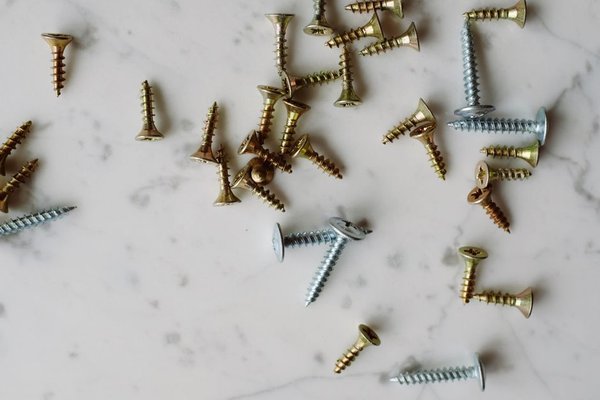
For years, the safest approach to kitchen and bathroom hardware was simple: choose one metal and repeat it everywhere. In 2026, that rule is loosening. The most interesting rooms now bring together warm and cool finishes, allowing brass, bronze, chrome and polished nickel to share the same space. Mixed metal hardware trends 2026 are not about creating a random collection of shiny objects. They are about using contrast with purpose, giving familiar rooms more depth, flexibility and personality.
Warm woods, natural stone and softly coloured cabinetry remain important, but designers are balancing that warmth with brighter metallic notes. Chrome and polished nickel are returning alongside aged brass and bronze, creating schemes that feel collected rather than perfectly matched.
Why Mixed Metals Feel Right for 2026
Matching every handle, tap, light fitting and accessory can make a room feel orderly, but it can also flatten the design. Mixed metal finishes introduce variation in much the same way that different fabrics or wood tones do. One finish may provide warmth, another may add clarity, and a darker metal can create definition.
This approach suits the personal direction of current kitchen hardware trends. A brass cabinet pull beside a polished nickel tap can make a room feel developed over time rather than purchased as one coordinated package.
There is a practical advantage too. Stainless-steel appliances and existing chrome fittings no longer need to be disguised; they can become part of the overall palette.
The Return of Chrome and Polished Nickel
Warm metals have shaped interiors for several years, especially brushed brass, champagne tones and aged bronze. They are not disappearing in 2026. What is changing is the assumption that every metallic detail must have a warm undertone. Cooler finishes are being welcomed back because they add freshness and reflect light beautifully.
Chrome Brings Crisp Contrast
Chrome is clean, bright and familiar. Against walnut cabinetry, creamy stone or earthy tiles, it creates a sharper edge that prevents the room from feeling too muted. The renewed interest in chrome hardware 2026 is less about recreating a glossy, uniform look and more about using chrome as a deliberate accent. A chrome tap, a row of small knobs or a simple shower frame can provide enough sparkle without taking over.
Polished Nickel Offers a Softer Alternative
Polished nickel sits between cool chrome and warmer brass. Its reflective surface appears softer and more nuanced, bringing brightness without chrome’s sharper contrast. In transitional kitchens and bathrooms, it can bridge marble, warm whites and timber.
How to Mix Metal Hardware Successfully
The strongest schemes begin with a clear hierarchy. Choose one primary metal for the elements that appear most often, then introduce a second finish in smaller, intentional doses. A third metal can work, but it should have a limited role. Without that hierarchy, the room may feel busy rather than layered.
Give Each Finish a Purpose
One simple method is to assign metals by function. Cabinet hardware might use aged brass, while plumbing fixtures use polished nickel. Lighting can repeat one of those finishes or introduce a restrained blackened metal for contrast. This creates a pattern the eye can understand, even when the finishes differ.
Another option is to divide finishes by visual level. Hardware below the worktop might be warmer and darker, while taps and pendant lights add brightness above. Repetition matters: a metal should usually appear more than once, unless it is a deliberate statement piece.
Connect the Metals Through Tone or Shape
Not every finish needs the same undertone, but the combination should feel related. Soft brass and polished nickel share a luminous quality, chrome and matte black create graphic contrast, and bronze works naturally beside stainless steel and timber.
Shape also creates unity. If the metals differ, repeating slim pulls, rounded knobs or gently curved fixtures establishes a common design language. When shapes are intentionally varied, keeping the finish palette tighter prevents visual overload.
Using Mixed Metals in the Kitchen
Kitchen hardware is one of the easiest places to experiment because knobs and pulls are relatively simple to change. For a subtle update, use one finish on perimeter cabinets and another on an island. A warm metal can highlight painted or timber cabinetry, while chrome or nickel connects with the sink, tap and appliances.
Consider the room as a whole. A stainless-steel cooker does not force every handle to be silver. It can sit comfortably with brass pulls when another cool-toned detail, such as a nickel tap or chrome light fitting, repeats the appliance finish. In a compact kitchen, two metals are often enough; larger rooms can support more variation.
Using Mixed Metals in the Bathroom
Bathrooms are ideal for mixed metals because fixtures naturally fall into groups. Taps and shower fittings can form the primary finish, while mirror frames, wall lights, cabinet handles and accessories introduce a second. Polished nickel plumbing can be paired with warm brass lighting, or chrome fittings can be softened by bronze details.
The surrounding materials should guide the choice. Cool grey stone and blue tiles may benefit from brass or bronze. Beige limestone, terracotta and warm timber can be sharpened with chrome or nickel. Mixed metals work best when they respond to the room’s colours and textures rather than being selected in isolation.
Common Mistakes to Avoid
The biggest mistake is using too many finishes without repeating them. A brass handle, chrome tap, black mirror and bronze light can look accidental if nothing connects them. Limit the palette, repeat each important finish and decide which metal should lead.
Check samples in the actual room. Labels such as brushed, satin and antique brass can represent noticeably different colours, as can nickel and chrome. View them beside the cabinetry, worktop, tile and lighting before committing.
Do not add finishes simply for variety. A restrained room may suit two closely related metals, while a more expressive interior can handle stronger contrast.
A More Flexible Way to Finish a Room
The appeal of mixed metal hardware trends 2026 lies in their freedom. Chrome and polished nickel can return without pushing warmer finishes aside, while brass and bronze remain important without covering every surface. By choosing a dominant metal, repeating supporting finishes and linking them through shape, tone or function, kitchens and bathrooms can feel layered and individual rather than overworked.
Frequently Asked Questions
How many metal finishes should be used in one room?
Two finishes are usually the easiest to balance. A third can be added in a larger room or as a small accent, provided the main finishes are repeated clearly.
Can chrome and brass be used together?
Yes. Chrome provides a cool, crisp contrast to the warmth of brass. The pairing looks most cohesive when each finish appears more than once or has a clearly defined role.
Should kitchen taps match cabinet hardware?
No. The tap can use a different finish from the cabinet hardware, especially when its metal connects with appliances, lighting or another feature in the room.
Are mixed metal finishes likely to date quickly?
A balanced combination is less dependent on a single trend than an entirely matching scheme. Classic shapes and a limited palette can help the design remain versatile as tastes change.