
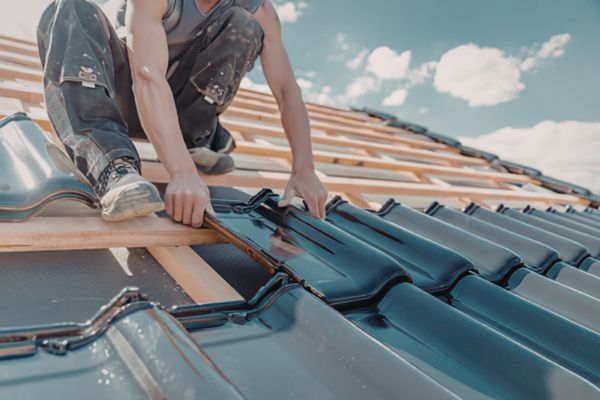
There’s something uniquely unsettling about the sound of water dripping indoors. It doesn’t matter if it’s a slow, rhythmic tap or a sudden stain spreading across the ceiling—repairing a leaky roof quickly becomes a priority the moment you notice it. Left alone, even a small leak can quietly grow into a much larger problem, affecting insulation, structure, and even the air quality inside your home.
Repairing a leaky roof isn’t always as intimidating as it sounds. In many cases, understanding the cause and acting early can save both time and expense. What matters most is knowing where to look, how to approach the issue safely, and when a simple fix will do the job.
Recognizing the Early Signs of a Roof Leak
Leaks rarely announce themselves dramatically at first. More often, they appear subtly—an odd discoloration on the ceiling, peeling paint, or a faint musty smell that wasn’t there before. Sometimes, the signs only become visible during or after heavy rain, when water finds its way through vulnerable points.
A damp patch in the attic, for example, can be the earliest clue. If you happen to notice sunlight peeking through the roof boards during the day, that’s another signal that something isn’t quite right. Over time, these small warnings tend to escalate, making early detection a key part of repairing a leaky roof effectively.
Understanding Why Roofs Leak
Roofs are constantly exposed to the elements, and even the most durable materials wear down over time. Shingles can crack, curl, or go missing entirely, leaving the underlying structure exposed. Flashing—those thin pieces of metal installed around chimneys, vents, and joints—can loosen or corrode, creating easy entry points for water.
Sometimes the issue isn’t damage but blockage. Debris such as leaves and dirt can clog gutters, causing water to back up and seep under roofing materials. In colder climates, ice dams can form, though even in milder regions, poor drainage can lead to similar problems.
Understanding the root cause makes repairing a leaky roof far more straightforward. Instead of treating symptoms, you address the source.
Locating the Source of the Leak
Finding the exact origin of a leak can feel like solving a puzzle. Water doesn’t always drip straight down; it can travel along beams or insulation before appearing inside. That’s why the visible stain on your ceiling might not align directly with the problem area above.
A careful inspection usually begins in the attic. Look for damp spots, dark streaks, or mold growth. Following these clues upward can lead you to the entry point. If the attic doesn’t reveal much, inspecting the roof surface is the next step.
This part requires patience. Check for damaged shingles, gaps around vents, and any areas that look worn or uneven. Repairing a leaky roof often depends on this detective work, so it’s worth taking your time.
Preparing for Safe Roof Repairs
Before climbing onto a roof, it’s important to think about safety. Even a slightly damp surface can be slippery, and working at height always carries some risk. Choosing a dry day with mild weather conditions makes a noticeable difference.
Proper footwear with good grip helps maintain balance, while a stable ladder positioned on level ground provides safe access. It might seem like a small detail, but these precautions can turn a stressful repair into a manageable task.
Taking a moment to prepare doesn’t just protect you—it allows you to focus fully on repairing a leaky roof without unnecessary distractions.
Fixing Damaged or Missing Shingles
One of the most common causes of leaks is damaged shingles. Whether they’ve cracked from age or been torn off by strong winds, the solution is often straightforward.
Carefully lifting the surrounding shingles allows access to the affected area. A replacement shingle can then be slid into place and secured. Roofing adhesive or nails help keep it stable, ensuring it aligns with the rest of the roof.
It’s a simple process, but one that makes a significant difference. When done properly, repairing a leaky roof at this level can restore the protective barrier almost immediately.
Sealing Problem Areas Around Roof Features
Chimneys, vents, and skylights are frequent trouble spots. The materials surrounding them expand and contract with temperature changes, which can gradually loosen seals.
Applying roofing sealant to small gaps can often resolve minor leaks. In some cases, replacing or reinforcing the flashing might be necessary. This involves removing the old material and installing new pieces that fit snugly against both the roof and the structure.
Attention to detail matters here. Even a small gap left unsealed can allow water to return, undoing your efforts at repairing a leaky roof.
Addressing Issues with Roof Valleys and Gutters
Roof valleys—the areas where two slopes meet—naturally channel water downward. Because of this, they experience more wear than other parts of the roof. If debris accumulates or materials degrade, leaks can develop quickly.
Clearing out leaves and dirt restores proper drainage. If the valley lining itself is damaged, it may need patching or replacement. Similarly, gutters play a critical role in directing water away from the roof.
When gutters are clogged or sagging, water can overflow and seep under shingles. Cleaning and securing them is often an overlooked but essential step in repairing a leaky roof.
Temporary Fixes Versus Long-Term Solutions
Not every repair needs to be permanent right away. In situations where immediate action is required—such as during ongoing rain—a temporary patch can prevent further damage.
Using a tarp or applying a quick sealant can buy valuable time. However, these are short-term measures. A proper repair, completed under the right conditions, ensures the problem doesn’t resurface.
Understanding the difference between a quick fix and a lasting solution helps you approach repairing a leaky roof with realistic expectations.
Knowing When the Repair Is Beyond DIY
While many leaks can be handled with basic tools and patience, some situations call for a more experienced approach. Extensive damage, structural issues, or recurring leaks despite multiple repairs may indicate a deeper problem.
If large sections of the roof are compromised or if the leak involves complex areas, stepping back is often the wiser choice. Recognizing these limits doesn’t mean failure—it reflects good judgment.
Repairing a leaky roof is about solving the issue effectively, not just quickly.
Preventing Future Roof Leaks
Once the immediate problem is resolved, prevention becomes the next focus. Regular inspections, especially after storms, can catch small issues before they grow. Keeping gutters clean and trimming overhanging branches reduces the risk of damage.
Over time, even the best repairs will face wear again. Staying attentive to the condition of your roof ensures that minor concerns don’t turn into major repairs.
In many ways, maintaining a roof is an ongoing conversation between you and your home—one that rewards consistency.
The Quiet Satisfaction of Fixing the Problem
There’s a certain relief that comes with repairing a leaky roof. The drip stops, the stain dries, and the space feels secure again. It’s not just about fixing a physical issue; it’s about restoring a sense of comfort.
The process might involve a bit of trial and error, a few cautious steps on a ladder, and perhaps some unexpected discoveries along the way. But in the end, it reinforces something simple yet important: small actions, taken at the right time, can prevent much larger problems.
Conclusion
Repairing a leaky roof is rarely a one-size-fits-all task. Each leak has its own story, shaped by weather, materials, and time. What remains consistent is the value of early attention, careful inspection, and thoughtful repair.
By understanding the signs, identifying the source, and approaching the repair with patience, you can often resolve the issue without unnecessary complexity. And once the work is done, the absence of that persistent drip becomes its own quiet reward.
In the end, a well-maintained roof does more than keep water out—it preserves the integrity of the entire home, one repair at a time.