
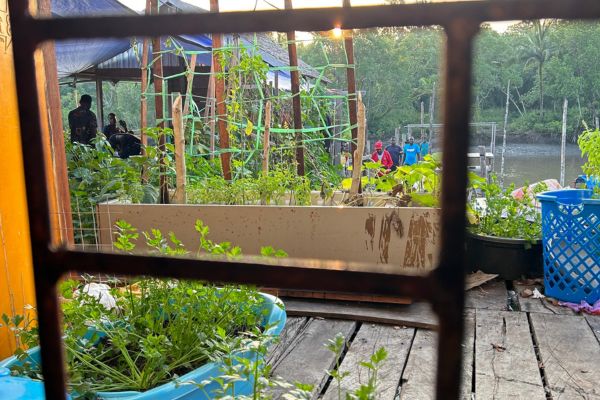
There’s something quietly satisfying about growing plants in containers. Maybe it’s the sense of control, or the way a small corner can transform into something alive and expressive. Whatever the reason, container gardening ideas have evolved far beyond simple pots on a balcony. Today, they invite creativity, experimentation, and a bit of personal storytelling—even in the smallest spaces.
Whether you have a sprawling terrace or a modest windowsill, container gardening offers a flexible, approachable way to bring greenery into your life. And the best part? It doesn’t demand perfection. A slightly crooked pot, an overgrown herb—these things often make the space feel more real.
Rethinking Small Spaces with Creative Containers
One of the most appealing aspects of container gardening is how it redefines space. A cramped balcony or a narrow corridor can become a thriving garden with just a few thoughtful arrangements.
Instead of focusing on size limitations, it helps to think vertically. Hanging planters, wall-mounted containers, and stacked pots create layers of greenery that draw the eye upward. This approach not only saves space but also adds depth and texture to otherwise flat areas.
Unconventional containers can play a role here too. Old wooden crates, metal buckets, or even repurposed kitchen items bring character into the mix. The charm often lies in the imperfections—a chipped edge or faded paint can make the display feel more lived-in.
Mixing Plants for Visual and Sensory Appeal
Container gardening ideas become more interesting when you stop treating each plant as a standalone element. Instead, think of each container as a miniature landscape.
Combining plants with different heights, textures, and colors creates a layered effect. A tall ornamental grass paired with trailing vines and low-growing flowers can turn a single pot into a dynamic composition. It’s less about strict design rules and more about experimenting until something feels right.
There’s also the sensory side to consider. Fragrant herbs like basil and mint can sit alongside flowering plants, creating a subtle mix of scents that shift throughout the day. It’s a small detail, but one that makes the garden feel more immersive.
Bringing Edible Gardening into Containers
For many people, container gardening starts with the idea of growing something edible. And honestly, it’s hard to beat the satisfaction of picking fresh herbs or vegetables just steps from your kitchen.
Tomatoes, peppers, lettuce, and herbs adapt well to containers, especially when given enough sunlight and proper drainage. The key is to match the plant with the container size. A deeper pot allows roots to expand, which in turn supports healthier growth.
What’s interesting is how edible plants can double as decorative elements. A pot of cherry tomatoes with bright red fruit or a lush basil plant can be just as visually appealing as ornamental flowers. It blurs the line between function and beauty in a way that feels natural.
Playing with Color and Seasonal Change
A container garden doesn’t have to look the same all year round. In fact, one of the joys of this approach is the ability to refresh it with the seasons.
In warmer months, vibrant blooms and lush greenery take center stage. As temperatures shift, you can introduce hardier plants or even focus on foliage with interesting textures and muted tones. Swapping out a few plants can completely change the mood of a space.
Color coordination also plays a subtle role. Some gardeners prefer a harmonious palette, sticking to shades that blend together. Others lean into contrast, pairing bold colors for a more dramatic effect. Neither approach is right or wrong—it simply depends on what feels visually satisfying to you.
Creating a Relaxing Corner with Container Arrangements
Container gardening ideas aren’t just about plants—they’re also about how those plants shape a space. A thoughtful arrangement can turn an ordinary corner into a quiet retreat.
Grouping containers together rather than scattering them randomly often creates a stronger visual impact. It forms a focal point, something that naturally draws attention and invites you to pause.
Adding a simple chair, a small table, or even a cushion nearby can make the area feel intentional. Over time, it becomes a place where you might sit with a cup of tea or just take a moment to unwind. The plants, in a way, set the tone for that experience.
Adapting to Light and Environment
Every space has its own conditions, and successful container gardening often comes down to working with them rather than against them.
Some areas receive abundant sunlight, making them ideal for flowering plants and vegetables. Others remain shaded for most of the day, better suited for ferns or shade-tolerant varieties. Observing how light moves through your space can guide your choices more effectively than any general rule.
Wind, temperature, and humidity also play a role. Containers dry out faster than garden beds, so they may require more frequent watering, especially in warmer climates. It’s a bit of a balancing act, but one that becomes easier with experience.
Personal Expression Through Container Design
There’s a subtle shift that happens when you start experimenting with container gardening ideas. It stops being just about growing plants and starts becoming a form of personal expression.
The choice of containers, the arrangement of plants, even the occasional asymmetry—these elements reflect individual taste. Some people prefer a neat, structured look, while others lean toward a more relaxed, almost wild aesthetic.
Interestingly, the garden often evolves on its own. A plant grows larger than expected, another fades, and new additions fill the gaps. It’s not always predictable, and that’s part of the appeal. The space feels alive, constantly changing in small, unexpected ways.
Making the Most of Limited Time and Effort
One of the reasons container gardening continues to gain popularity is its practicality. It doesn’t require the same level of commitment as maintaining a large garden, yet it still offers a meaningful connection to nature.
Choosing low-maintenance plants can make the process even more manageable. Succulents, certain herbs, and hardy perennials tend to require less attention while still adding visual interest.
There’s also flexibility in how much time you invest. Some days, you might spend a while rearranging pots or trimming leaves. Other days, a quick check-in is enough. The garden adapts to your routine rather than the other way around.
Conclusion: A Garden That Grows with You
Container gardening ideas are, at their core, about possibility. They show that you don’t need expansive land or elaborate setups to create something beautiful and meaningful. A few containers, some thoughtfully chosen plants, and a willingness to experiment can go a long way.
Over time, the garden becomes more than just a collection of pots. It reflects your preferences, your habits, even your changing moods. Some plants thrive, others don’t, and that’s perfectly fine. The process itself—watching things grow, adjusting, trying again—is where much of the value lies.
In the end, container gardening isn’t about achieving a flawless result. It’s about creating a space that feels alive, personal, and quietly rewarding, no matter how small it may be.