
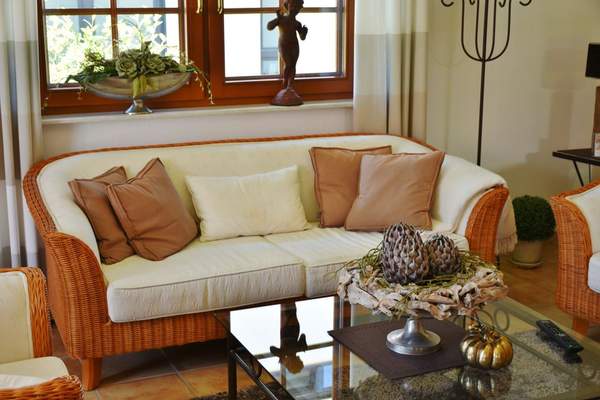
A living room can feel welcoming without looking formal, and fresh without feeling stark. That sweet spot is the appeal of transitional design: familiar silhouettes, practical comfort, and a few crisp modern details sharing the same space. The challenge is knowing which features to keep classic and which to simplify. These transitional living room ideas offer a way to make that decision without replacing everything you own.
Start with a balance, not a matching set
Think of the room as a conversation between two styles rather than a precise fifty-fifty split. A sofa with traditional rolled arms can sit beside a streamlined coffee table. A contemporary sectional can look at home beneath decorative wall moulding. What matters is repetition: carry a colour, material, or curved shape across the room so the pieces feel connected.
Choose furniture with mixed but compatible silhouettes
Let the sofa provide comfort
A sofa is usually the largest visual element, so choose one that suits how the room is used. A gently curved arm, tailored skirt, or subtle tufting introduces tradition; plain upholstery and restrained proportions keep it current. Deep seats and washable fabrics are sensible for busy households, regardless of style.
For a classic modern living room, avoid selecting every piece from the same furniture collection. Pair an upholstered sofa with a slender metal floor lamp or an unfussy rectangular side table. The contrast gives the space personality without making it look assembled from unrelated leftovers.
Build a quiet colour palette with depth
Warm white, stone, mushroom, soft grey, and muted taupe provide an easy foundation for transitional living room ideas. They let furniture shapes and textures carry the design. But a neutral palette should not mean every surface is beige. Contrast is what stops the room from looking flat.
Try a warm off-white wall, a medium-toned oak table, and charcoal or olive accents. If you prefer more colour, dusty blue, clay, and muted green work well as supporting shades. Test paint samples on different walls and check them in daylight and lamplight; a colour that looks calm in the morning can shift noticeably after sunset.
Layer textures instead of adding ornament
Traditional rooms often rely on decorative detail, while modern spaces depend on cleaner surfaces. Transitional styling finds warmth through texture: linen-look upholstery, woven baskets, a wool rug, smooth ceramic, leather, and natural wood. A few varied finishes offer richness without the need for elaborate patterns everywhere.
Picture a cream sofa against a pale wall. Add a nubby throw, a dark wooden side table, and cushions in two related fabrics. The room immediately gains dimension even if the colours barely change. One restrained pattern, perhaps a small-scale stripe or faded geometric rug, is often enough.
Make architectural character feel intentional
If your home has a fireplace mantel, picture rail, panelling, or traditional trim, treat it as an asset rather than something to disguise. A simple modern mirror over a classic mantel can create a particularly effective contrast. Conversely, a newer room with plain walls can gain subtle character from a carefully proportioned picture-frame moulding.
Get the rug and table proportions right
A well-sized rug unifies furniture from different periods. In most conversation areas, aim for at least the front legs of the sofa and chairs to rest on it. A tiny rug floating beneath the coffee table can make the seating feel disconnected. Before ordering, mark the proposed rug corners on the floor with painter’s tape.
Then check the coffee table’s scale. An oval or round table softens a room dominated by straight-lined sofas and cabinetry, while a simple rectangular table can settle a seating group with curvier furniture. Leave roughly 16–18 inches between sofa and coffee table as a starting point, adjusting for comfort and accessible movement.
Use lighting to bridge the styles
Lighting is one of the easiest places to combine old and new. A classic brass picture light can work above contemporary art. A minimal floor lamp can sit alongside a traditional sofa. Choose finishes that appear more than once, but resist making every fixture identical.
Include different levels of light: a ceiling fixture for general illumination, table or floor lamps for reading, and a gentle accent light for artwork or shelving. Warm, dimmable light makes a layered room feel relaxed in the evening. For more options, explore living room lighting ideas that combine practical tasks with atmosphere.
A practical makeover for an ordinary living room
Imagine a room with a brown wooden display cabinet, a beige three-seat sofa, patterned curtains, and a glass coffee table. It may feel dated, but none of those pieces necessarily needs replacing. Start by removing small decorations from the cabinet and grouping just a few favourite objects. Swap busy curtains for plain, textured panels and introduce a large low-contrast rug.
Next, replace the glass table only if it is impractical or visually awkward; a simple wood or dark metal design could add structure. Bring in one contemporary lamp and a piece of generously scaled art. The result feels more considered because the room has fewer competing details, not because it contains more new purchases.
In a smaller space, the same approach is useful. Keep the floor visible where possible, choose tables with lighter-looking bases, and ensure furniture does not obstruct the main walking route. A guide to small living room layout ideas can help when every inch affects how the room functions.
Common mistakes that upset the balance
One mistake is buying only neutral furniture and expecting a timeless living room style to emerge automatically. Without contrast in shape and surface, the result can feel bland. Another is treating transitional decor ideas as permission to include every favourite item. Keep pieces that earn their place through usefulness, comfort, or meaning, and edit the rest.
Frequently asked questions
What makes a living room transitional rather than traditional?
A transitional room retains classic comfort or details while simplifying shapes, colour combinations, and accessories. Traditional rooms tend to feature more coordinated, decorative elements. Transitional interiors deliberately mix familiar and contemporary pieces.
Can I create this look with existing furniture?
Yes. Keep your strongest pieces and update the surrounding palette, lighting, rug, or accessories. Removing clutter and introducing one clean-lined element can make a noticeable difference without a full renovation.
Are bold colours suitable for transitional spaces?
They can be. Use a strong colour in one chair, artwork, or a few cushions, then give it breathing room with quieter surrounding surfaces. A consistent undertone and repeated accent colour help maintain harmony.
Does transitional style work in a small living room?
Absolutely. Focus on furniture scale, clear circulation, useful storage, and layered lighting. One characterful classic piece often has more impact than several small decorative items.
Bring the room together gradually
The strongest transitional living rooms look collected rather than purchased all at once. Begin with the pieces that already work, introduce a contrasting silhouette or finish, and then stand back before adding more. When comfort, proportion, and a few recurring details connect the room, classic warmth and modern simplicity can feel completely natural together.