
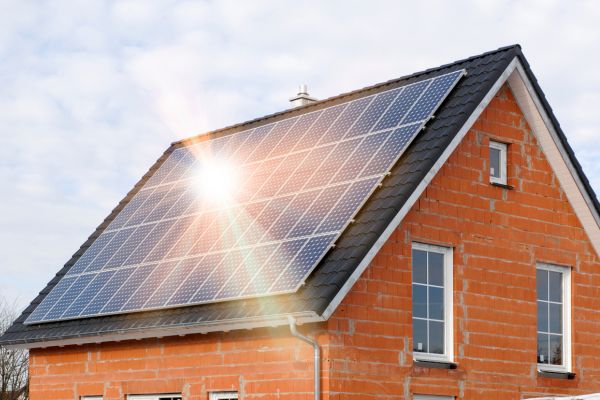
Installing solar panels at home has quietly shifted from a niche eco-project into a mainstream household decision. It’s no longer just about being “green” or following a trend. For many homeowners, it’s a practical response to rising energy costs, power reliability concerns, and a desire for greater independence from the grid. Still, the idea of putting solar panels on your roof can feel overwhelming at first. There’s technology to understand, costs to consider, and long-term implications to weigh.
This guide walks through installing solar panels at home from a real-world perspective. Not as a sales pitch or a technical manual, but as a grounded look at what the process actually involves and what it feels like to live with solar power once the panels are in place.
Why Homeowners Are Turning to Solar Power
Energy bills have a way of creeping up without much warning. One year they’re manageable, the next they feel like a monthly penalty. Solar power offers a different relationship with energy. Instead of passively paying for electricity, homeowners start producing it themselves.
There’s also a quieter motivation at play. Power outages caused by storms, heat waves, or aging infrastructure have become more common in many regions. Solar systems, especially when paired with battery storage, provide a sense of stability that traditional grid power can’t always guarantee.
Beyond the practical benefits, there’s an emotional component. Watching your home run on sunlight feels oddly satisfying. It reframes energy use as something visible and tangible rather than an invisible service that shows up as a bill.
Understanding How Residential Solar Panels Work
At its core, installing solar panels at home is about capturing sunlight and converting it into usable electricity. Solar panels contain photovoltaic cells that react to sunlight by generating direct current electricity. An inverter then converts that electricity into alternating current, which is what most household appliances use.
During daylight hours, your home draws power from the panels first. If the system produces more energy than you need, the excess is often sent back to the grid. At night or during cloudy periods, electricity flows in the opposite direction, coming from the grid as usual.
The system works quietly in the background. Once installed, there’s no switch to flip each morning or setting to adjust. That simplicity is part of what makes solar appealing, even to people who aren’t particularly interested in technology.
Assessing Whether Your Home Is a Good Fit
Not every house is an ideal candidate for solar panels, and that’s okay. The most important factor is sunlight exposure. Homes with roofs that receive consistent sun for most of the day tend to perform best. Heavy shading from trees, nearby buildings, or unusual roof angles can reduce efficiency.
Roof condition also matters more than people expect. Installing solar panels at home usually makes sense only if the roof is in good shape. Panels are designed to last decades, so putting them on a roof that may need replacement soon can create unnecessary complications later.
There’s also the question of space. Smaller roofs can still support solar systems, but the amount of electricity generated will be limited. In those cases, solar may still reduce energy bills, just not eliminate them entirely.
The Financial Reality of Installing Solar Panels at Home
Solar panel costs have dropped significantly over the past decade, but installing solar panels at home is still a meaningful investment. The upfront cost can be intimidating, even when long-term savings are factored in.
What often gets overlooked is how predictable solar expenses are compared to utility bills. Once the system is installed, energy costs become far more stable. Sunlight doesn’t fluctuate in price, and maintenance costs are generally low.
Payback periods vary depending on location, electricity rates, and system size. Some homeowners see financial returns within a few years, while others take longer. Either way, solar tends to reward patience rather than short-term thinking.
The Installation Process From Start to Finish
The actual process of installing solar panels at home is usually quicker than people expect. After an initial assessment and system design, installers secure permits and approvals. On installation day, the physical work often takes just a day or two.
Panels are mounted to the roof, wiring is connected, and the inverter is installed. After everything is in place, inspections ensure the system meets local safety and building codes. Once approved, the system is connected to the grid and turned on.
There can be some minor disruptions, like workers accessing the roof or brief power interruptions. But for most homeowners, installation is far less disruptive than major renovations or remodeling projects.
Living With Solar Panels Day to Day
One of the surprises of installing solar panels at home is how quickly they fade into the background. After the initial excitement of watching your first day of solar production, the system becomes part of the house’s rhythm.
Many homeowners enjoy checking energy production apps occasionally, especially during sunny seasons. Others forget about the panels entirely, noticing them only when a power bill arrives lower than expected.
Maintenance is minimal. Panels don’t have moving parts, so there’s little that can break. Occasional cleaning may help in dusty or pollen-heavy areas, but rain often does most of the work naturally.
Environmental Impact Beyond the Buzzwords
It’s easy to talk about solar energy in abstract environmental terms, but installing solar panels at home creates a very personal connection to sustainability. Instead of hearing about emissions reductions in the news, you’re actively reducing your household’s carbon footprint every day.
That impact adds up over time. A single home’s solar system may seem small, but collectively, residential solar plays a meaningful role in reducing demand for fossil fuel-based power. It also eases strain on the grid during peak usage periods.
For families, solar can spark conversations about energy use and conservation. Children grow up seeing where electricity comes from, which subtly shifts how they think about consumption and responsibility.
Common Misconceptions About Home Solar Systems
One persistent myth is that solar panels don’t work on cloudy days or in colder climates. In reality, panels generate electricity whenever there’s daylight, not just direct sunlight. Some systems even perform more efficiently in cooler temperatures.
Another misconception is that solar requires constant attention or technical knowledge. Once installed, most systems operate automatically. Alerts and monitoring tools exist, but they’re optional rather than essential.
There’s also the idea that installing solar panels at home somehow locks you into outdated technology. In practice, solar systems are modular and adaptable. Components can be upgraded over time without replacing the entire setup.
Thinking Long Term About Energy Independence
Solar power shifts how homeowners think about energy. Instead of reacting to monthly bills, you start planning ahead. You become more aware of when energy is used and how your household patterns affect production and consumption.
For some, installing solar panels at home is the first step toward greater energy independence. Adding battery storage, electric vehicles, or smart energy management systems becomes a natural progression rather than a radical change.
This long-term mindset doesn’t require perfection. Even partial solar systems make a difference. The key is understanding that solar isn’t an instant fix, but a gradual rebalancing of how energy fits into everyday life.
A Thoughtful Conclusion on Home Solar Power
Installing solar panels at home isn’t just a technical upgrade or a financial calculation. It’s a shift in how a household relates to energy, cost, and responsibility. The panels themselves may sit quietly on the roof, but their presence subtly changes daily habits and long-term expectations.
For homeowners willing to think beyond immediate convenience, solar offers stability in an unpredictable energy landscape. It rewards patience, curiosity, and a willingness to adapt. Whether motivated by savings, sustainability, or simple self-reliance, installing solar panels at home is ultimately about taking a small but meaningful step toward a more intentional way of living.