
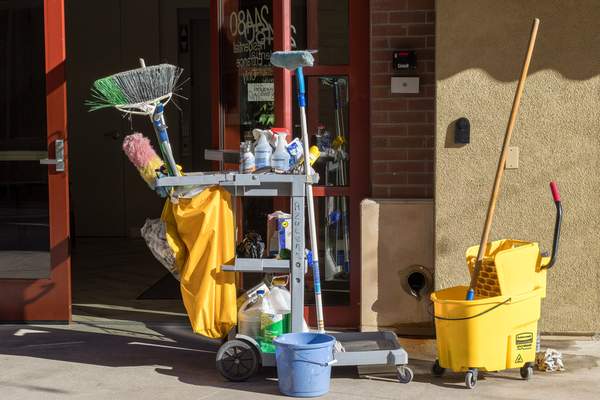
A useful cleaning supplies checklist should make everyday chores easier, not turn your cupboard into a collection of half-used bottles. The trick is to stock dependable tools, then add products for the surfaces and messes your household actually has. That way, a muddy hallway, greasy stovetop or unexpected bathroom spill can be handled without another shopping trip.
Use this inventory for a first home or a restock. You do not need every specialist cleaner available. Start with the essentials, check surface-care instructions and build from there.
The essential cleaning supplies checklist
Everyday cleaning products
All-purpose cleaner: Useful for many sealed, washable surfaces when the label permits. A mild, fragrance-free formula is a practical starting point.
Dish soap: Cleans dishes, greasy cookware and some washable household items, though it is not suitable for every finish.
Bathroom cleaner: Choose one designed for bathroom fixtures and soap residue. Use a compatible descaler for mineral buildup only where the surface manufacturer allows it.
Toilet bowl cleaner: Keep a dedicated product for the bowl and avoid combining it with other chemicals.
Glass and mirror cleaner: A suitable formula helps remove marks without leaving streaks.
Floor cleaner: Match it to the material. Hardwood, laminate, vinyl and natural stone can have different moisture and chemical requirements.
Laundry detergent and stain remover: Select a detergent suited to your machine and fabrics; treat stains according to garment care labels.
House cleaning tools worth owning
Microfiber cloths: Keep several for dusting and wiping. Assign separate colours or labelled bundles to kitchens, bathrooms and general surfaces.
Non-scratch sponges and a dish brush: Handy for dishes, sinks and gentle scrubbing. Let reusable tools dry, and replace worn sponges.
Soft-bristle scrub brush: Reaches corners and textured surfaces. Test delicate finishes before scrubbing.
Broom and dustpan: Best for quick crumbs, entryway grit and small spills of dry debris.
Vacuum cleaner: Choose one suited to your floors, rugs and upholstery. Maintain its filter and brush roll.
Mop and bucket or washable-pad mop: Select a system suitable for your flooring; avoid soaking moisture-sensitive surfaces.
Reusable cleaning gloves: Help protect hands during wet work and when labels recommend them.
Caddy or sturdy basket: Keeps cleaning kit essentials together, though chemicals belong in secure storage after use.
Build a kit for each cleaning zone
Kitchen
Keep dish soap, a dish brush, clean cloths, a non-scratch sponge and a compatible counter cleaner accessible. Add dishwasher detergent if needed. A manufacturer-approved cooktop scraper can help with stubborn residue.
Cleaning removes food residue and many germs; sanitising may also be appropriate for surfaces contaminated by raw meat or poultry juices. Follow the sanitiser label, including any food-contact rinsing instructions.
Bathroom
Set aside a toilet brush, toilet cleaner, bathroom-only cloths, a mirror cloth and a brush for buildup. A small squeegee can reduce standing water on shower glass. Never use toilet-cleaning tools on the sink or counter.
Before buying another spray, identify the mark: soap film, hard-water deposits and mould need different responses. Recurring mould also calls for fixing moisture, leaks or ventilation.
Living areas and bedrooms
A vacuum with attachments, microfiber duster and compatible surface cleaner cover most routine work. An extendable duster reaches higher shelves. Check furniture care labels before applying products to upholstery or polished surfaces.
Optional supplies for deeper cleaning
Buy a window squeegee, lint roller, crevice attachment, soft detailing brush or upholstery tool when a specific task justifies it. A room-by-room deep cleaning checklist can help you gather equipment before moving furniture or tackling neglected corners. Specialist sprays rarely deserve cupboard space until you know the surface needs them.
Set up a ready-to-use cleaning caddy
Imagine coffee spills near the dining table just before guests arrive. A caddy with a clean cloth, appropriate cleaner, gloves and spare wipes lets you handle the mess immediately instead of searching three cupboards.
Carry routine products and tools in one portable caddy; keep toilet equipment separate. Secure bottles upright and never leave cleaning chemicals unattended around children or pets. Divide chores into daily touch-ups, weekly floors and bathrooms, and occasional detail jobs. A weekly house cleaning schedule can show which supplies actually get used.
Restock without overspending
Before shopping, check what is usable. Make a cleaning products list grouped by tools, cleaners and replacements, then buy only the gaps. A cloth bundle, dish soap, one compatible general cleaner and floor tools usually offer more value than an assortment of niche sprays.
Choose concentrated refills when the instructions and storage situation make them practical. Never transfer chemicals into unlabelled bottles or drink containers. Reusable cloths and washable mop pads can reduce repeat purchases if cleaned and dried correctly.
Check your cupboard monthly for empty containers, worn brushes and products past their stated shelf life. Replenish what you use rather than buying duplicates on impulse.
Safety rules that belong on every checklist
Read labels for surface suitability, protective equipment, ventilation and storage. Never mix cleaning products, particularly bleach with ammonia, acids or other cleaners; hazardous gases may result. Keep chemicals in original labelled containers, away from children, pets and food.
Cleaning and disinfection are different. According to public-health guidance, detergent or soap cleaning is enough in many ordinary household situations; disinfection is more relevant when someone is sick or vulnerable. Clean visible dirt first, then follow a disinfectant’s required wet contact time. Using extra product does not make it work better.
If fragrances bother anyone at home, consider unscented options and ventilation. The EPA Safer Choice label can help US shoppers identify cleaners evaluated against ingredient and performance standards.
Frequently asked questions
What cleaning supplies do I need for my first apartment?
Start with dish soap, an appropriate all-purpose cleaner, bathroom and toilet cleaners, laundry detergent, cloths, sponges, gloves, a broom and dustpan, plus a vacuum or mop suited to your floors. Add specialised items after checking your surfaces.
Can one all-purpose cleaner replace everything?
No. It may cover many washable surfaces but cannot automatically replace toilet cleaner, laundry detergent, disinfectant or a product required for delicate floors. Follow its label and surface-care instructions.
How many microfiber cloths should I keep?
About six to twelve offers a workable rotation for many households, depending on laundry frequency. Keep separate cloths for bathrooms and food-preparation areas, and wash them according to care labels.
Do I need disinfectant for everyday cleaning?
Usually not for every surface. Routine cleaning removes dirt and many germs. Keep a suitable disinfectant for situations such as household illness, and follow its instructions precisely.
Keep the checklist practical
A well-stocked home is not one with the most bottles. It is one where the right cloth, brush and cleaner are easy to find. Begin with essential cleaning supplies, separate tools by room, store products safely and review what gets used. Your checklist can evolve with your home instead of taking over the cupboard.