
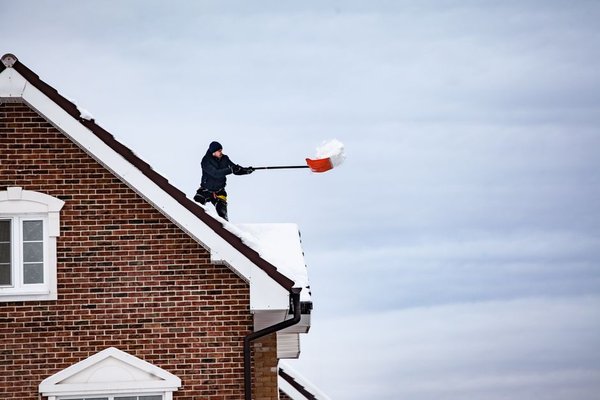
Winter maintenance does not end after the first freeze. Once cold weather settles in, snow, ice, indoor moisture, and long heating cycles can reveal new problems. A useful winter home maintenance checklist should focus on recurring checks: what can change quickly, what needs watching, and what should be corrected before a small issue becomes an expensive repair.
A short inspection every few weeks, plus an extra check before and after severe weather, can make winter house maintenance far more manageable.
Check the heating system while it is working hardest
Your heating system may run for long stretches during the coldest part of winter. Pay attention to uneven room temperatures, unusual noises, short cycling, weak airflow, or a sudden increase in how often the system runs. These signs are worth investigating before the next cold snap.
Check the furnace or HVAC filter regularly and replace or clean it according to the manufacturer’s instructions. Keep supply and return vents open and unobstructed. If the system has persistent performance problems, arrange professional inspection rather than waiting for a no-heat emergency.
A natural internal reference here would be a home heating system maintenance guide.
Recheck doors, windows, and drafts
Cold weather can reveal air leaks missed in autumn. On a windy day, feel around window frames, exterior doors, attic hatches, and other penetrations for drafts. Weatherstripping can compress, caulk can separate, and door sweeps can shift as temperatures change.
Replace damaged weatherstripping and seal appropriate gaps with materials suited to the location. Reducing drafts improves comfort and can help keep plumbing near exterior walls from being exposed to colder air. An insulation and air-sealing guide for homeowners is another useful internal linking opportunity.
Protect plumbing from freezing temperatures
Freeze protection deserves repeated attention because risk depends on weather, insulation, and where pipes run. Pipes in unheated garages, crawl spaces, exterior walls, basements, and cabinets against outside walls are often more vulnerable than plumbing in the heated core of the home.
During very cold weather, keep the home heated consistently and avoid allowing vulnerable areas to become unusually cold. Open sink cabinet doors when needed so warmer room air can reach plumbing. If local guidance or a plumber recommends allowing a faucet to drip during extreme cold, use that measure only where there is genuine freezing risk.
Know where the main water shutoff is before an emergency. If a pipe freezes, do not use an open flame to thaw it. If you cannot safely warm the frozen section, or if you suspect the pipe has split, shut off the water if necessary and call a qualified plumber. A guide to preventing frozen pipes would fit naturally as an internal link.
Watch for moisture, condensation, and hidden leaks
Winter homes can be surprisingly damp. Cooking, showers, humidifiers, drying laundry, snow carried indoors, and reduced ventilation can raise indoor moisture. Check windowsills, exterior corners, closets on outside walls, bathroom ceilings, and areas behind furniture for persistent condensation or dampness.
Use bathroom and kitchen exhaust fans when needed and make sure they vent outdoors. If a humidifier is running, reduce the setting if windows are regularly wet. Wipe up condensation rather than letting it sit on trim, drywall, or painted wood. Moisture that repeatedly returns in the same spot may point to an air leak, insulation gap, roof issue, or plumbing leak.
Inspect the roofline, gutters, and exterior after storms
You do not need to climb onto a roof in winter to perform a useful inspection. From the ground, look for displaced shingles, sagging gutters, heavy icicles, or places where meltwater repeatedly refreezes. Roof design and weather both influence ice formation, so recurring buildup deserves attention rather than guesswork.
Check that downspouts are not blocked by ice and that meltwater is directed away from the foundation when conditions allow. Avoid standing beneath heavy icicles or unstable snow. If snow load, ice dams, or roof damage appears significant, use a qualified professional instead of attempting risky winter roof work.
Keep entrances, steps, and walkways safe
Cold weather home care includes the areas people use every day. Clear snow from main entrances, steps, and paths promptly, then watch for refreezing as temperatures drop. Pay special attention to shaded locations, downspout discharge points, and places where roof runoff crosses a walkway.
A practical routine is to inspect the same three trouble spots each morning after a thaw-freeze cycle: the front steps, the path from the driveway, and the area beneath the main downspout. These locations often become slippery again even when the rest of the property looks clear.
Test smoke and carbon monoxide alarms
Heating equipment, fireplaces, portable heaters, and generators make winter safety checks especially important. Test smoke alarms regularly and make sure carbon monoxide alarms are installed and maintained according to local requirements and manufacturer guidance.
Keep combustible materials well away from space heaters and other heat sources, and turn portable heaters off when leaving the room or going to sleep. Never use an oven as a space heater. Generators should operate outdoors, away from doors, windows, and vents, never inside a home, garage, or other enclosed space.
Monitor the home after major temperature swings
The best winter homeowner checklist is responsive rather than fixed. A house may look fine during steady cold but develop problems when temperatures move above and below freezing. Those swings can create roof runoff, refreezing, condensation changes, and new plumbing stress.
After a major warm-up or hard freeze, take ten minutes to check vulnerable plumbing, windows, exterior doors, the roofline, and main walkways. That short habit often catches winter damage earlier than one long inspection performed once a season.
Frequently asked questions
How often should I use a winter home maintenance checklist?
A quick check every few weeks is reasonable for most homes, with extra inspections before and after severe cold, snow, ice, or major temperature swings. Homes with exposed plumbing, older heating equipment, or recurring moisture problems may need more frequent attention.
What winter maintenance tasks deserve the highest priority?
Heating reliability, freeze protection, moisture control, and smoke and carbon monoxide safety deserve priority because failures in these areas can become urgent quickly.
Should I lower the thermostat when I leave home in winter?
Energy-saving setbacks can be useful, but avoid settings that leave the home or vulnerable plumbing too cold. The appropriate setting depends on climate, insulation, plumbing location, pets, and the heating system. During extreme cold, a steadier indoor temperature may be safer.
What should I check after a winter storm?
Look for heating problems, blocked vents, plumbing leaks, roof or gutter damage visible from the ground, heavy ice buildup, refrozen walkways, and water entering around doors, windows, or the foundation.
Keep winter maintenance small and regular
Winter problems are easier to manage when they are found early. A clogged filter, a new draft, a damp window corner, or a vulnerable pipe can usually be addressed more simply than the failure that may follow. Make this winter home maintenance checklist a recurring part of the season rather than a one-time project. Consistent checks help keep cold-weather risks under control until spring arrives.