
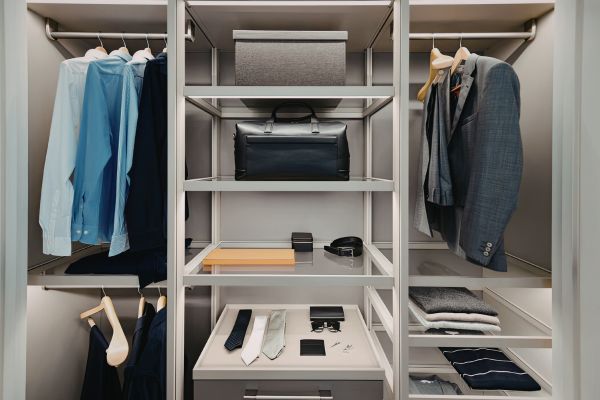
A closet can quietly shape the mood of a morning. When shelves are crowded, shoes disappear, hangers tangle, and winter coats spill onto everything else, even simple routines feel harder than they should. Yet when a closet works well, daily life becomes smoother in ways people often underestimate.
That is why thoughtful closet storage solutions matter. Good storage is not about turning every wardrobe into a luxury showroom. It is about using available space intelligently, reducing frustration, and making belongings easier to access and maintain.
Large homes, small apartments, family houses, and studio flats all face the same basic challenge: there is rarely as much storage as people would like. The answer is usually not more space. It is better use of the space already there.
Start by Understanding What the Closet Must Hold
Many closets fail because they are treated as generic containers. In reality, each one serves different needs.
A bedroom closet may need room for clothing, shoes, bags, seasonal wear, and linens. A hallway closet might store coats, umbrellas, cleaning tools, and extra household supplies. A child’s closet changes rapidly with age and size.
Before buying organizers, take stock of what actually belongs there. Storage works best when designed around real habits rather than idealized ones.
Decluttering Creates the Best Storage Upgrade
No system performs well when overloaded. One of the most effective closet storage solutions costs nothing: remove what no longer needs to be there.
Clothes that do not fit, shoes never worn, duplicate items, damaged accessories, or mystery boxes from years ago consume valuable space. Letting go of unnecessary items often reveals room that expensive products were trying to solve.
Decluttering can feel tedious, but it gives every later improvement more impact.
Use Vertical Space Fully
Many closets waste height. A single rod with empty air above it leaves useful space untouched.
Adding upper shelves, stacking bins, hanging organizers, or secondary rods can transform storage capacity. Tall closets often benefit from storing occasional-use items higher up while everyday essentials remain within easy reach.
Vertical thinking is especially powerful in smaller homes where floor space is limited.
Double Hanging for Clothing
Long garments need full height, but many shorter items do not. Shirts, folded trousers, skirts, and children’s clothing can often hang in two tiers.
Installing a second rod beneath the first creates surprisingly efficient storage. It also improves visibility because clothes spread more evenly rather than crowding one long rail.
Simple structural changes often outperform decorative accessories.
Shelves Bring Order to Folded Items
Not everything belongs on hangers. Sweaters, denim, bags, towels, hats, and storage boxes often sit better on shelves.
Open shelving allows quick visibility, though it benefits from some discipline. Stacks that become too tall tend to collapse into chaos eventually.
Moderate stack sizes and clear categories help shelves stay functional rather than becoming soft avalanches.
Drawers Reduce Visual Clutter
Drawers are useful for smaller items that create mess easily: socks, undergarments, belts, scarves, workout gear, or accessories.
They hide clutter while keeping categories contained. Even simple drawer inserts can improve usability dramatically.
A closet that looks calmer often feels easier to maintain.
Matching Hangers Make a Difference
This may sound cosmetic, but uniform hangers help more than people expect. They create consistent spacing, reduce slipping, and make clothing sit evenly.
Bulky mixed hangers consume unnecessary width. Slim hangers can reclaim valuable rod space in tighter closets.
Sometimes organization improves through small repeated details rather than dramatic renovations.
Shoe Storage Needs Honesty
Shoes often overwhelm closets because people store them in ways that ignore how many pairs they actually own.
Floor racks, angled shelves, cubbies, clear boxes, over-door systems, or under-bed rotation for seasonal footwear can all help. The best method depends on access needs and available space.
Everyday shoes should be easy to grab. Rarely worn formal pairs can live elsewhere.
Use Bins for Categories, Not Chaos
Bins are popular because they hide mess quickly. But unlabeled mystery bins can become long-term clutter containers.
Use bins intentionally for categories such as winter accessories, travel items, handbags, spare linens, or out-of-season clothing. Labels help tremendously, especially in family homes where multiple people use the same spaces.
Containment only works when contents are known.
Seasonal Rotation Frees Daily Space
Many closets try to hold all seasons at once. Heavy coats beside summer dresses beside boots beside sandals creates crowding year-round.
Rotating seasonal items into under-bed storage, attic space, or high shelves creates breathing room. Daily-use wardrobes become easier to see and use.
This is one of the smartest closet storage solutions for climates with distinct seasons.
Small Closets Need Simplicity
Tiny closets often tempt people into complex systems with too many compartments. Ironically, smaller spaces usually need simpler strategies.
Use a few strong categories. Keep surfaces clear. Avoid storing random unrelated items there if possible. Prioritize the most-used belongings.
When space is limited, clarity matters more than quantity.
Shared Closets Need Boundaries
Closets used by couples or family members often fail because zones are unclear. Items migrate, overlap, and get mixed.
Dividing space by person, category, or function helps reduce friction. Even subtle boundaries like left and right sides, separate baskets, or labeled drawers can make sharing easier.
Storage can affect relationships more than people admit.
Lighting Changes Everything
Poor lighting makes even organized closets frustrating. Dark corners hide items, distort colors, and slow decision-making.
Battery LED strips, motion lights, or improved overhead fixtures can make a closet feel larger and more functional instantly.
Sometimes the problem is not storage. It is visibility.
Keep a Small Empty Zone
It sounds counterintuitive, but a fully packed closet is harder to use than one with slight spare capacity.
A little open shelf space, a few empty hangers, or breathing room on the rod allows laundry returns, new purchases, or temporary overflow without immediate collapse.
Space itself is useful.
Maintain with Light Habits
Even the best systems drift without maintenance. Clothes get shoved in a hurry. One random bag becomes three. Laundry returns to the nearest shelf.
A five-minute weekly reset can preserve order far more easily than occasional major overhauls.
Maintenance is where organization becomes lifestyle rather than project.
Style Should Support Function
Beautiful baskets, wood shelves, and coordinated containers can be lovely. But appearance should support usability, not replace it.
If something looks elegant but makes access harder, it may not serve the space well.
The most satisfying closets often feel both attractive and practical.
Conclusion
Effective closet storage solutions are less about expensive remodels and more about understanding space, habits, and priorities. Decluttering, using vertical height, adding shelves or drawers, rotating seasons, improving lighting, and maintaining clear categories can transform almost any closet.
A well-functioning closet does more than hold belongings. It reduces friction in everyday life. And sometimes, a calmer morning begins behind a simple door.