
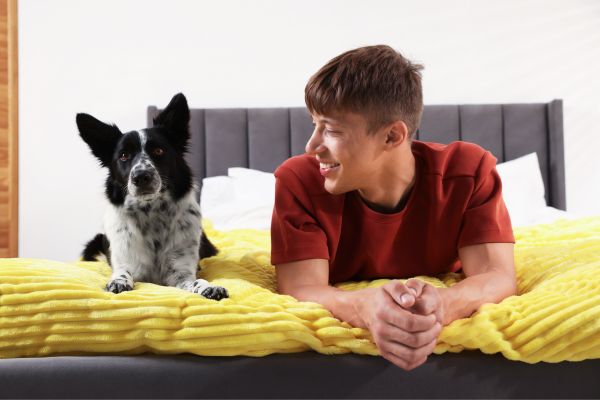
Living with pets changes the way a home feels. Floors see more traffic, furniture works harder, and quiet corners become favorite nap spots. A truly welcoming home isn’t just designed for the people who live there, but for the animals who share the space too. That’s where thoughtful, practical, and realistic pet-friendly home design tips come into play.
Designing with pets in mind doesn’t mean sacrificing comfort, warmth, or personal style. In fact, many pet-friendly choices also make homes more livable for humans. Durable materials, smarter layouts, and easy-to-clean surfaces benefit everyone. The goal isn’t perfection, but balance. A home that feels calm, functional, and lived in, not fragile or off-limits.
Designing with Pets as Daily Companions
Pets don’t experience homes the same way people do. Dogs move at floor level, track in dirt, and look for cozy spots. Cats climb, scratch, perch, and nap wherever sunlight falls. Designing for them starts with observing how they actually use the space, not how we wish they would.
Instead of fighting natural behaviors, good design works with them. Scratching posts can blend into décor. Window views become intentional features. Washable surfaces quietly replace delicate ones. These shifts create a home that feels intuitive for pets and less stressful for owners.
Entryways That Handle Real Life
The entryway sets the tone for a pet-friendly home. It’s the first stop after walks, park visits, or backyard adventures, and it takes the brunt of muddy paws and shedding fur. Choosing flooring that can handle moisture and grit makes a noticeable difference. Materials like tile, sealed stone, or high-quality vinyl clean easily and don’t show wear as quickly as softer surfaces.
Storage also matters here. Hooks for leashes, space for towels, and a small mat or bench make everyday routines smoother. When the entryway is designed for pets, messes feel manageable instead of overwhelming, and the rest of the house stays cleaner as a result.
Living Rooms Built for Sharing Space
Living rooms are shared territory. Pets nap on sofas, curl up on rugs, and move freely through the space. Furniture choices play a big role in how relaxed the room feels. Stain-resistant fabrics, tightly woven upholstery, and slipcovers can quietly save a lot of frustration over time.
Rugs are another consideration. Low-pile options are easier to vacuum and less likely to trap fur or odors. Color choices matter too. Selecting tones that align with your pet’s fur can make shedding less visually obvious, which helps the room feel calm even on busy days.
This is also a great place to integrate pet beds or resting spots into the overall design. When these areas feel intentional rather than tacked on, the room stays cohesive while still being comfortable for everyone.
Kitchens That Stay Functional and Safe
The kitchen is full of tempting smells and potential hazards for curious pets. Designing this space with clear boundaries helps maintain safety without constant supervision. Trash storage is especially important. Cabinets with secure doors or pull-out bins prevent unwanted scavenging and reduce stress.
Flooring again plays a key role here. Kitchens benefit from materials that resist spills and scratches. Smooth, sealed surfaces clean quickly and don’t absorb odors, which is especially helpful in homes with multiple pets.
Pet feeding areas also deserve thought. Instead of placing bowls randomly, creating a dedicated feeding spot keeps clutter contained and routines consistent. This small design choice can make daily life feel more organized and intentional.
Bedrooms That Balance Comfort and Cleanliness
Bedrooms often become favorite pet spaces, especially at night. Designing them thoughtfully helps maintain a sense of calm and cleanliness without pushing pets away. Washable bedding, durable throws, and furniture with solid construction all contribute to a more relaxed environment.
Storage solutions matter here too. Keeping pet toys, grooming tools, or blankets tucked away prevents visual clutter and makes the room feel restful. Ventilation and air flow are also important, as they help manage fur and odors while keeping the space fresh.
For pets who sleep in the bedroom, designated resting spots can reduce wear on bedding and furniture while still allowing closeness and comfort.
Bathrooms Designed for Practical Care
Bathrooms may not seem like a priority in pet-friendly design, but they often serve as grooming stations, cleanup zones, or quiet retreat spaces. Durable flooring and moisture-resistant finishes make handling baths, paw cleaning, or accidents far easier.
Having storage nearby for towels, brushes, and pet-safe products helps streamline routines. When these tasks feel easy instead of disruptive, caring for pets becomes part of the home’s natural rhythm rather than an inconvenience.
Floors That Support Movement and Comfort
Flooring choices have a major impact on how pets experience a home. Slippery surfaces can be difficult for older animals or those with joint issues, while overly soft materials wear down quickly. Finding a balance between grip, durability, and comfort is key.
Area rugs can soften hard floors and provide traction without sacrificing cleanability. Thoughtful placement helps guide movement and create cozy zones where pets naturally want to rest.
Windows, Light, and the Joy of Observation
Pets love windows. Dogs watch the world go by. Cats seek warm sunlit ledges. Designing with natural light in mind benefits pets just as much as people. Window seats, low sills, or sturdy furniture placed near views can become favorite spots.
Managing sunlight also helps protect furniture and flooring from fading, especially in homes with pets who gravitate toward bright areas. Thoughtful window treatments can balance light, privacy, and durability without feeling heavy or restrictive.
Storage That Reduces Daily Chaos
A pet-friendly home feels calmer when clutter is under control. Toys, food bags, leashes, and grooming tools accumulate quickly, and without proper storage, they take over living spaces. Built-in cabinets, baskets, or concealed storage help maintain visual calm.
When everything has a place, daily routines feel smoother and the home stays welcoming rather than chaotic. This is one of the most underrated pet-friendly home design tips, yet it often has the biggest impact on how a space feels.
Creating a Home That Feels Lived In, Not Perfect
Perfection isn’t realistic in a home shared with animals. Fur happens. Scratches appear. Floors tell stories. The goal of pet-friendly design isn’t to prevent every sign of living, but to choose materials and layouts that age gracefully.
Homes designed this way feel warmer and more authentic. They invite relaxation rather than constant worry. Over time, these choices create a space where both people and pets feel genuinely at ease.
A Thoughtful Conclusion on Pet-Friendly Living
Designing a home with pets in mind is less about following rules and more about understanding daily life. The best pet-friendly home design tips come from observation, patience, and a willingness to adapt. When homes reflect how they’re actually used, they become more comfortable, resilient, and meaningful.
A well-designed pet-friendly home doesn’t feel like a compromise. It feels like a place where everyone belongs, paws, fur, messes, and all.