
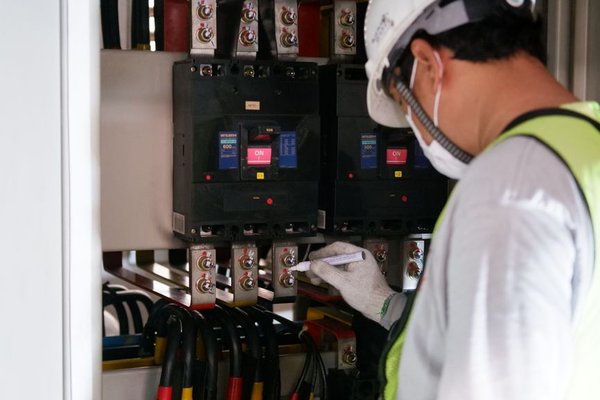
A room suddenly goes dark, an outlet stops working, or the microwave quits midway through dinner. Sometimes the cause is a tripped circuit breaker, and restoring power is straightforward. The important part is understanding why it tripped before switching it back on. A breaker is a safety device, not merely an inconvenient switch.
Here’s how to reset a tripped circuit breaker without opening electrical equipment or attempting wiring repairs. If anything looks or smells unsafe, leave the breaker alone and call a qualified electrician.
Check for hazards before approaching the panel
Look around the affected area. If you notice smoke, sparks, a burning smell, scorch marks, buzzing, a hot outlet, damaged wiring, or water near electrical equipment, don’t attempt a reset. Keep clear and seek professional help. For smoke or an active fire, evacuate and contact emergency services.
If everything appears normal, turn off lights and unplug portable appliances on the affected circuit where safe. This reduces the electrical load and prevents equipment from starting unexpectedly when power returns. Never handle plugs with wet hands.
Locate the service panel, often found in a garage, utility room, basement, or hallway. Stand on a dry surface with good lighting. Open only its normal access door to reach the breaker handles. Never remove the screwed-on panel cover or touch internal wiring. If the panel is wet, damaged, or inaccessible, stop.
How to reset a tripped circuit breaker safely
Find the breaker that tripped
Check circuit labels and look for a handle sitting between ON and OFF, or fully at OFF. Some models also display a trip indicator. A tripped handle may appear only slightly different from its neighbors; use the breaker’s actual markings rather than guessing which direction means ON.
If none appears tripped, avoid switching random breakers. The cause could be a tripped GFCI outlet or another issue. An electrical panel basics guide can explain branch breakers, circuit labels, and the main switch without requiring you to touch internal components.
Move its handle fully to OFF
With affected appliances switched off or unplugged, move the tripped breaker’s ordinary operating handle firmly to the marked OFF position. Many breakers need this step to reset the internal trip mechanism. Moving the handle directly from the middle to ON may not work.
Move the handle to ON once
Switch the same handle to its marked ON position using normal pressure. Don’t force a stiff, loose, stuck, or damaged handle. If it refuses to stay ON, trips immediately, or makes an unusual sound, leave it OFF and contact an electrician. Never hold the handle in place to prevent a trip.
Check the power and restore appliances gradually
If the breaker stays ON with no warning signs, confirm whether power returned. Reconnect portable appliances one at a time, rather than all at once. Stop using anything with a damaged cord, an overheating smell, or behavior that seems linked to another trip.
A kitchen example: pay attention to what was running
Imagine your kitchen outlets lose power just after someone starts a kettle while a microwave is running. Both appliances draw considerable current. If they share a circuit, their combined demand might have caused an overload. After unplugging them and completing one safe reset, avoid running both on that circuit simultaneously.
This doesn’t prove overloading caused the trip; an electrical fault can produce similar symptoms. But recording which appliances were operating helps an electrician investigate repeat problems. Learning how to prevent overloaded outlets can also improve everyday appliance placement.
Why does a circuit breaker trip?
An overload happens when a circuit carries more current than its protective device permits. Other causes include short circuits, ground faults, and faulty appliances. Damage may be hidden even when the surrounding area looks normal.
Some homes use AFCI breakers to detect certain hazardous arcing conditions or GFCI protection to reduce shock risks associated with ground faults. Controls and indicators vary by model, so follow the manufacturer’s instructions for the installed device.
A successful tripped breaker reset restores electricity; it does not guarantee the circuit is free from faults.
What if the circuit breaker keeps tripping?
Don’t reset it repeatedly. Frequent trips can indicate an ongoing overload, faulty equipment, damaged wiring, or another condition requiring diagnosis. Leave the breaker OFF and call a qualified electrician, especially if it trips immediately or with few appliances connected.
Note the time of the outage, which rooms lost power, what was running, and whether a trip indicator appeared. Share these details with the electrician. Don’t remove outlets, replace breakers yourself, test exposed wiring, or install a higher-rated breaker. An oversized protective device may fail to protect the existing wiring adequately.
A home electrical safety checklist can help you keep the panel accessible, identify damaged cords, and record recurring trouble.
Breaker safety mistakes to avoid
Never tape or wedge a breaker ON, bypass its protection, or treat repeated trips as harmless. Don’t open the panel’s internal cover: dangerous parts can remain energized even with the main switch OFF. If the panel is hot, cracked, or buzzing, stay clear.
Likewise, don’t assume a successful reset makes a damaged appliance safe. Keep it out of use and seek repair advice. Safe homeowner troubleshooting stops at accessible controls and appliances that can be disconnected without risk.
Frequently asked questions
Why won’t my tripped breaker reset?
The handle might not have been moved fully OFF first, or a fault may still be present. After reducing the load, try the normal OFF-then-ON sequence once. If the breaker will not stay ON, contact an electrician.
Is it safe to reset a breaker yourself?
Operating an accessible, undamaged breaker handle is generally a normal homeowner task in dry conditions without warning signs. Inspecting wiring, opening internal covers, and repeatedly resetting a faulting breaker are not.
Can an overloaded power strip trip a breaker?
Yes. Appliances connected to a strip still draw current through the supplying circuit. A power strip does not increase that circuit’s capacity, and multiple high-wattage devices can overload it.
What if the breaker is ON but an outlet has no power?
A tripped GFCI receptacle or another fault may be responsible. Check only accessible devices according to their instructions. If the cause remains unclear, arrange a professional inspection instead of opening outlets.
Reset once, then pay attention
Reduce the load, check for hazards, locate the tripped breaker, move it fully OFF, and switch it ON once. If power returns, reconnect appliances gradually and watch for problems. If another trip occurs or anything seems abnormal, leave the circuit OFF. Knowing when to stop is an essential part of breaker safety.