
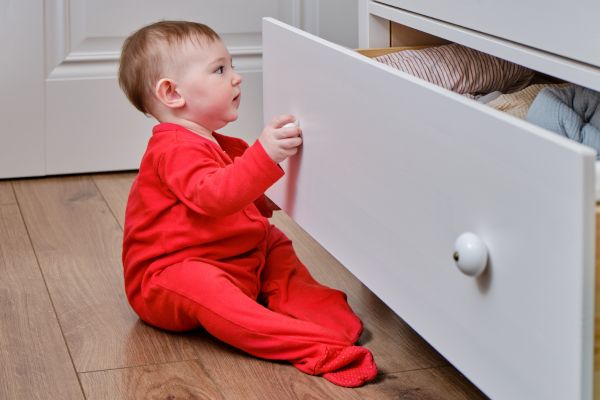
Why Cabinets and Drawers Become a Toddler’s Favorite Place
There is something almost magnetic about cabinets and drawers when a child starts crawling, standing, and exploring. To adults, they are just storage spaces. To a toddler, they are tiny doors into a hidden world. A kitchen cabinet might hold shiny pots. A bathroom drawer might slide open with a satisfying tug. A bedroom dresser might look like a ladder waiting to be climbed. That curiosity is normal, even healthy, but it also means parents and caregivers need to think carefully about how to secure cabinets and drawers before little hands discover what is inside.
Childproofing is not about making a home feel cold or restricted. It is about creating a space where children can explore safely without turning every minute into a chase. The best approach is practical, calm, and realistic. You do not need to cover every inch of the house in plastic. You do need to understand which cabinets and drawers are risky, which ones can be safely accessible, and which products or habits can make everyday life easier.
Start by Looking at the Home from a Child’s Height
Before installing anything, it helps to get down to a child’s level and look around. Cabinets that seem harmless from above may look very inviting from the floor. Low kitchen cabinets, under-sink areas, bathroom vanities, nightstands, TV console drawers, and laundry room storage often become the first places children investigate.
This simple check can reveal risks that are easy to miss. Cleaning sprays under the sink, dishwasher tablets, scissors, razors, batteries, medicine, glass dishes, plastic bags, and small objects can all end up within reach. Even a drawer full of harmless-looking items may contain choking hazards, sharp edges, or heavy objects that can fall on small feet.
The goal is to decide which areas need strong locks, which need rearranging, and which can be left open with safe items inside. Sometimes the smartest childproofing choice is not a lock at all, but moving dangerous objects higher and leaving lower spaces for things like towels, plastic containers, or wooden spoons.
Choose the Right Cabinet Locks for Each Space
One of the most common ways to secure cabinets is by using child safety locks or latches. These come in several styles, and each works a little differently. The best option depends on the cabinet type, how often adults use it, and how determined the child is.
Internal latches are installed inside the cabinet. They allow the door to open slightly before catching, so an adult can press down on the latch and release it. They are popular because they are hidden from view, which keeps the room looking neat. However, they can be frustrating if adults need to access the cabinet frequently, especially when cooking or cleaning in a hurry.
Magnetic locks are another strong option. They stay hidden inside the cabinet and open only when a magnetic key is placed on the outside of the door. Many parents like them because toddlers cannot easily figure them out. They are especially useful for cabinets containing cleaning supplies, breakable items, or anything truly unsafe. The only catch is that the magnetic key needs to be kept somewhere adults can find it but children cannot.
External strap locks are often used on cabinets with knobs, handles, or appliances nearby. They are visible from the outside and usually attach with adhesive. They can work well for renters because they do not always require drilling. Still, adhesive quality matters. A weak strap lock may loosen over time, especially in a warm kitchen or bathroom.
Make Drawer Safety a Priority Too
Drawers can be just as risky as cabinets, sometimes more so. A child may pull a drawer open and reach inside, but they may also use drawers as steps. This can cause furniture to tip, especially dressers, nightstands, and storage units. Securing drawers is not only about keeping contents away from children. It is also about reducing the chance of climbing accidents.
Drawer latches are useful for kitchen utensils, office supplies, makeup, tools, and bathroom items. For deeper drawers or heavy furniture, anti-tip anchors are equally important. A secured drawer is helpful, but a secured dresser is essential. If a child manages to pull multiple drawers open at once, the furniture can become unstable very quickly.
Parents sometimes secure only the “dangerous” drawer and leave the rest alone. That can work in some cases, but it is worth watching how the child behaves. If they are a climber, every drawer deserves attention, even if it contains socks.
Keep Hazardous Items Out of Low Cabinets
Locks are helpful, but they should not be treated as the only layer of protection. Children learn fast, and some childproofing products wear out or get left open by accident. For anything genuinely dangerous, height is still one of the safest strategies.
Cleaning products, medicines, alcohol, matches, sharp tools, and chemicals should be stored high whenever possible. If they must remain in a lower cabinet, that cabinet should have a strong lock and be checked regularly. Under-sink areas are especially important because many households store cleaners there out of habit. It may be convenient, but it is also one of the first places a curious toddler will open.
The same applies to bathroom drawers. Razors, nail scissors, hair tools, perfume bottles, and medication should not be easy to reach. A bathroom can feel safe because adults use it every day, but for a child, it contains many small, sharp, slippery, or toxic items.
Use Safe Cabinets to Satisfy Curiosity
Children are naturally drawn to opening and closing things. Instead of trying to stop that behavior completely, it can help to give them one safe space to explore. A lower kitchen cabinet filled with lightweight plastic bowls, soft cloths, or safe containers can become a “yes” cabinet.
This small choice can reduce frustration for both parents and toddlers. When every cabinet is off-limits, children may become more determined. When one area is allowed, they still get the joy of discovery without the risk. It also gives parents a simple redirect: “That cabinet is safe for you.”
Of course, even a safe cabinet should be checked often. Small lids, cracked containers, or anything that could become a choking hazard should be removed. The idea is not to create a toy box in the kitchen, but to give a child a safe outlet for their curiosity.
Check Locks Regularly After Installation
Installing cabinet and drawer locks is not a one-time task. Adhesive can weaken, screws can loosen, and toddlers can become surprisingly skilled at testing limits. A lock that worked well three months ago may not be as secure today.
Every so often, open and close the cabinet yourself to make sure the lock still catches properly. Tug gently from the outside, especially on adhesive locks. If a drawer latch feels loose or a magnetic lock no longer lines up correctly, fix it before the child notices. Childproofing works best when it stays ahead of the child’s development.
It is also important for adults in the home to use the locks consistently. A safety latch does little good if the cabinet is left ajar after unloading groceries or cleaning the bathroom. Like buckling a car seat, it becomes easier when it turns into a habit.
Be Careful with Heavy and Breakable Items
Not every cabinet danger comes from poison or sharp objects. Heavy cookware, glass bowls, ceramic dishes, and small appliances can also be risky. A toddler pulling out a large pan or glass container may drop it, break it, or lose balance.
If possible, store heavy items in cabinets that children cannot access or in locked lower cabinets. Lightweight, non-breakable items are better for lower shelves. Glass and ceramic pieces should be pushed back, stacked safely, or moved higher.
In kitchens, it is also wise to think about what happens when a cabinet opens suddenly. A stack of baking trays may slide out. A mixing bowl may roll. A loose lid may fall. These small details matter when a child is sitting or crawling nearby.
Secure Furniture Along with Drawers
When learning how to secure cabinets and drawers, many parents focus only on the locks. But drawer safety is closely connected to furniture safety. Dressers, chests, bookshelves, and storage units should be anchored to the wall, especially in bedrooms and play areas.
Children do not understand that furniture can tip. They see handles and drawers as something to pull, climb, or lean on. Even a sturdy-looking dresser can become dangerous when weight shifts forward. Anti-tip straps or wall anchors add a layer of protection that drawer locks alone cannot provide.
This is especially important in rooms where children spend time without constant hands-on supervision, such as bedrooms. A few minutes of quiet can sometimes mean a child is exploring something they should not.
Make Childproofing Blend into Daily Life
The best safety setup is one that adults can actually live with. If a lock is too difficult, it may get ignored. If it blocks an essential drawer during every meal, someone will eventually leave it open. Practical childproofing should protect children without making the home impossible to use.
Place stronger locks on the most dangerous areas and choose easier-access options for everyday spaces. Rearrange items so adults are not constantly fighting with safety devices. Keep magnetic keys in a consistent, hidden place. Teach older siblings and visitors to close cabinets properly.
A secure home is not created by one product. It comes from a mix of smart storage, reliable locks, regular checking, and adult awareness. Simple routines often do more than complicated systems.
A Safer Home Starts with Small Habits
Learning how to secure cabinets and drawers is really about seeing the home through a child’s eyes. The ordinary spaces adults use without thinking can become exciting, risky, and irresistible to toddlers. With the right locks, safer storage choices, and steady habits, those everyday spaces can be made much safer.
No home will ever be perfectly childproof, and children will always find new things to explore. That is part of growing up. But a thoughtful setup gives them room to be curious while keeping the most serious risks out of reach. In the end, securing cabinets and drawers is not about fear. It is about creating a home where small adventures can happen more safely, one closed drawer and locked cabinet at a time.